
In this article:
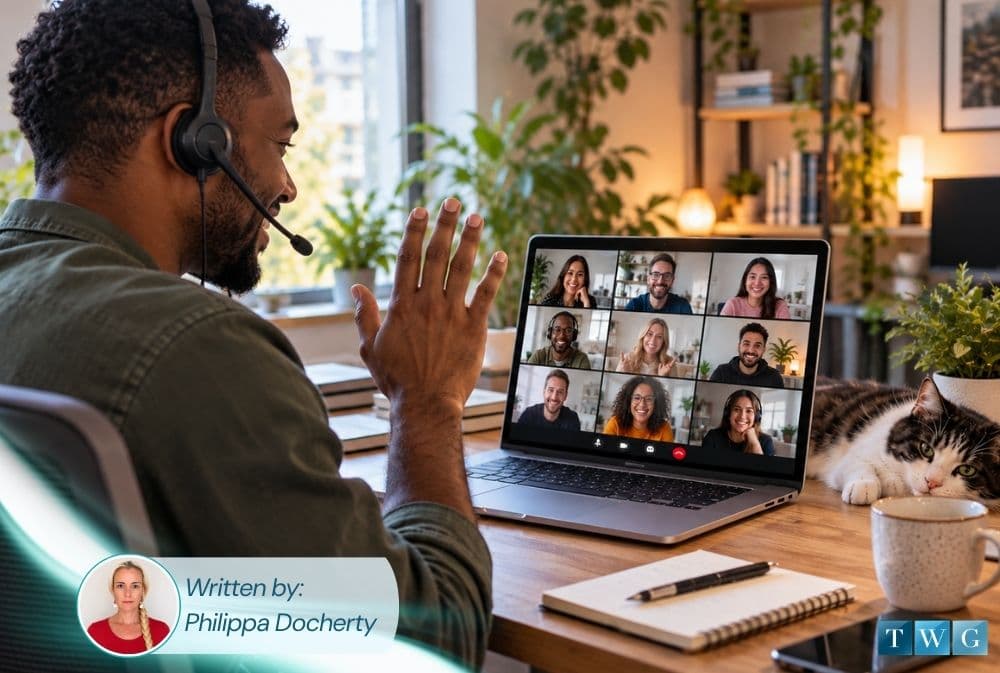
Technology has transformed the way we work. Teams collaborate across countries and time zones with ease, and digital communication has become second nature for global organisations. Remote work offers flexibility, autonomy, and access to opportunity regardless of location. It has also revealed something technology alone cannot provide: a genuine sense of human connection.
McKinsey's 2024 American Opportunity Survey found that approximately 15% of US workers were fully remote, while around 50% worked remotely some of the time. Remote work has unlocked global talent, multilingual capability, and operational scale. At the same time, it has created new challenges. Microsoft research found that 43% of employees feel disconnected from their company. Gallup's 2026 workplace research found that US employees who strongly agree they feel connected to their organisation's culture are 4.3 times as likely to be engaged at work.
This is not a soft HR topic. It is a business performance driver.
Community Drives Measurable Outcomes
Research into belonging and engagement has identified measurable differences in workplace outcomes:
- 50% lower turnover risk according to BetterUp
- 4.3 times as likely to be engaged for US employees who strongly agree they feel connected to their organisation's culture, according to Gallup
- 56% higher job performance according to BetterUp
- 21% higher profitability among business units in the top quartile of employee engagement compared with those in the bottom quartile, according to Gallup
A workforce executes tasks. A community accelerates performance.
Why Remote Workforces Need Community
Spontaneous interactions disappear in remote environments. Quick conversations, informal knowledge sharing, and micro moments of recognition become rare. Without intentional design, distributed teams experience slower collaboration, weaker trust, and higher risk of burnout.
Remote work scales talent. Community scales performance.
A virtual community is not optional. It is an operational requirement for modern organisations.
The IBM Example: A Lesson in Remote Belonging
During IBM’s early years as a remote-first organisation, employees jokingly said the initials stood for working from home can create isolation if connection is not intentionally designed. This anecdote is documented by Keith Ferrazzi in New People Rules for the Virtual Workplace, which describes how IBM's move away from regional offices made it harder for employees to transfer informal, “tacit” knowledge and share workarounds through spontaneous conversations.
IBM responded by building multi layered communities across more than 170 countries. Internal social networks, interest groups, peer learning circles, and global recognition systems helped employees feel part of something larger than their individual roles. IBM's own material on its social business strategy describes its efforts to connect employees across 170 countries, transform its intranet into a social computing platform and create communities of enthusiasts to encourage grassroots adoption.
IBM’s internal research also found that social connections within the organisation were associated with employee engagement, while research into employee initiatives on IBM's internal platforms found extensive inter-departmental collaboration and the discovery of previously unknown collaborators. The lesson is clear. Community is not culture decoration. It is an operating system for distributed performance.
What Modern Communities Look Like
High performing companies build multi layered digital communities that include:
- Internal social platforms
- Daily micro engagements
- Peer led learning
- Cross functional collaboration spaces
- Virtual events and shared experiences
- Recognition systems
These interactions compound over time, creating trust, belonging, and shared identity. Community is not one initiative. It is a continuous operating rhythm.
The Cost of Not Building Community
Companies that neglect community face predictable risks:
- Higher attrition
- Slower onboarding
- Fragmented collaboration
- Lower psychological safety
- Reduced innovation
- Weaker connection to mission and values
Remote work without community becomes transactional. People feel isolated, teams become siloed, and performance becomes inconsistent.
Why This Matters for C Level Leaders
Executives care about outcomes:
- Retention
- Performance
- Culture
- Brand reputation
- Scalability
Community strengthens all five. It reduces attrition costs, accelerates onboarding, improves collaboration, and supports global scale operations. It also protects culture in environments where employees rarely meet in person.
Community is not an HR initiative. It is a strategic capability.
Why This Matters for Applicants
Applicants want to join organisations where they feel supported, connected, and valued. Community signals that the company invests in people, not just output. It shows that remote work does not mean working alone.
A strong community is a competitive advantage in global talent markets.
TWG’s Perspective
People First is not a slogan at TWG. It is an operating model.
TWG’s internal social platform allows Talents to stay informed, celebrate achievements, share personal moments, discuss hobbies, recommend books or films, and connect over shared interests. Friendly competitions, interactive discussions, and community initiatives encourage participation and help people get to know colleagues from across the business.
Daily virtual events cover a wide range of topics, led by both Talents and Seniors. Some sessions focus on professional development and knowledge sharing. Others encourage creativity, wellbeing, or simply having fun together. By giving people the opportunity to host and participate, everyone can share expertise, passions, and experiences. The community becomes shaped by the people within it.
Peer led learning, cross functional collaboration, and shared experiences create space for conversations that formal training cannot replicate. People learn from one another, solve problems together, and build confidence through collaboration.
Community also supports wellbeing. Feeling connected reduces isolation, especially for those working from home. A supportive space where people can ask questions, celebrate successes, share experiences, or simply enjoy time together creates a more positive working environment. It reminds people that, although they may be working from different locations, they are still part of something bigger.
Many of these connections begin online, but they often extend beyond the screen. Company events, collaborative projects, and shared experiences allow relationships built within the virtual community to continue developing in the real world. For those who may never meet face to face, virtual connections remain just as valuable, creating friendships and professional networks that might never have existed otherwise.
TWG is building more than a workforce. It is building a community where people can connect, learn, and thrive together.
Closing Thought
Remote work gives companies access to global talent. Community gives that talent a reason to stay, grow, and perform. The organisations that succeed in the next decade will not be the ones with the largest remote workforce. They will be the ones with the strongest remote community.
About the Author
Philippa is a Community Manager at TWG, where she has been part of the team for 4.5 years. A branding specialist with a professional background in marketing, graphic design and project management, she brings extensive experience in communications, content and creative development.
Based in the Canary Islands with her husband & three rescue cats, she enjoys travelling & discovering new destinations.
Share this article


Stay in the know
Discover more articles, explore emerging trends, and stay connected with the future of remote work, global recruitment, and business process outsourcing by staying informed with the latest industry news, expert perspectives, and insights from TalentWorldGroup.